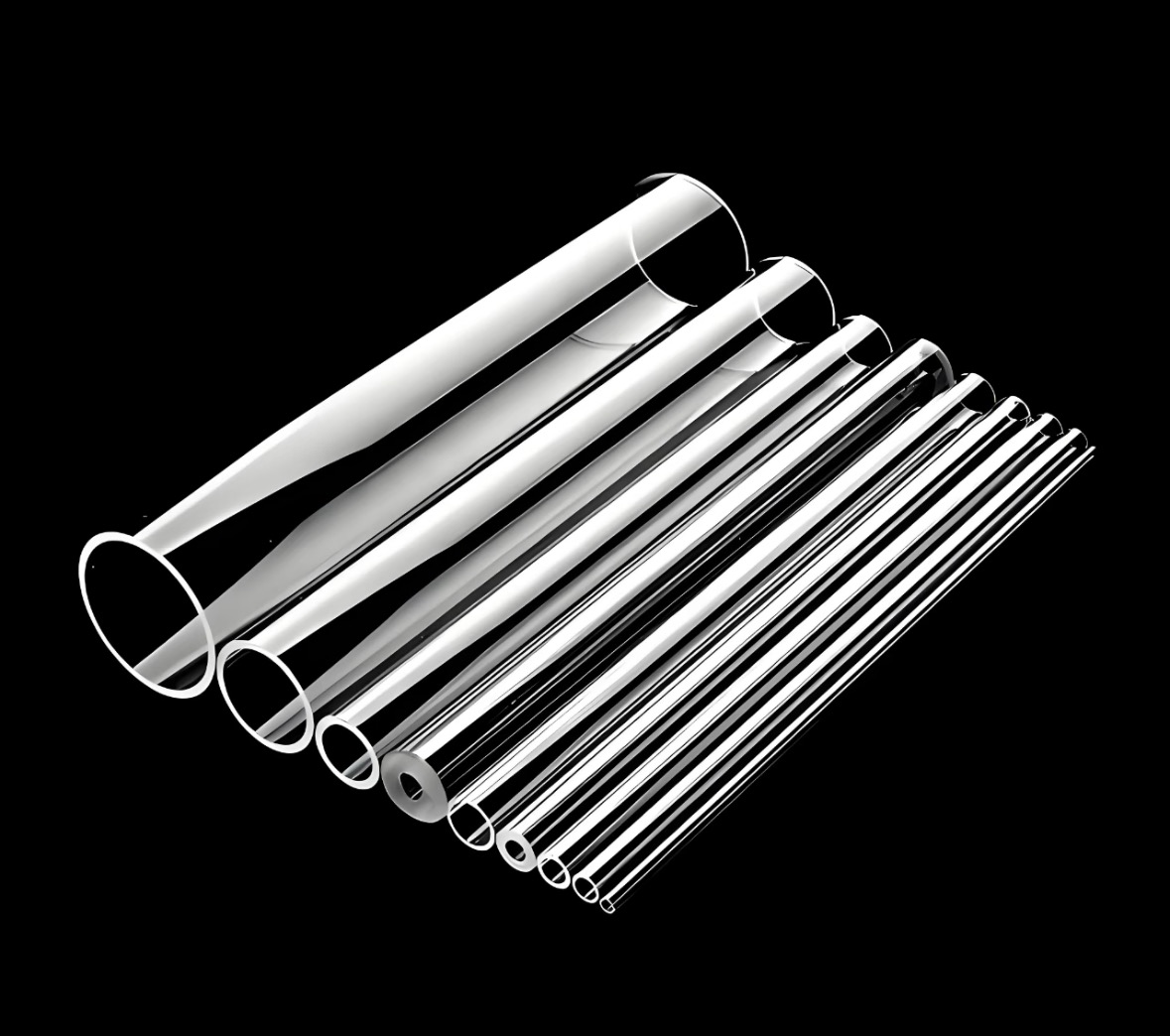
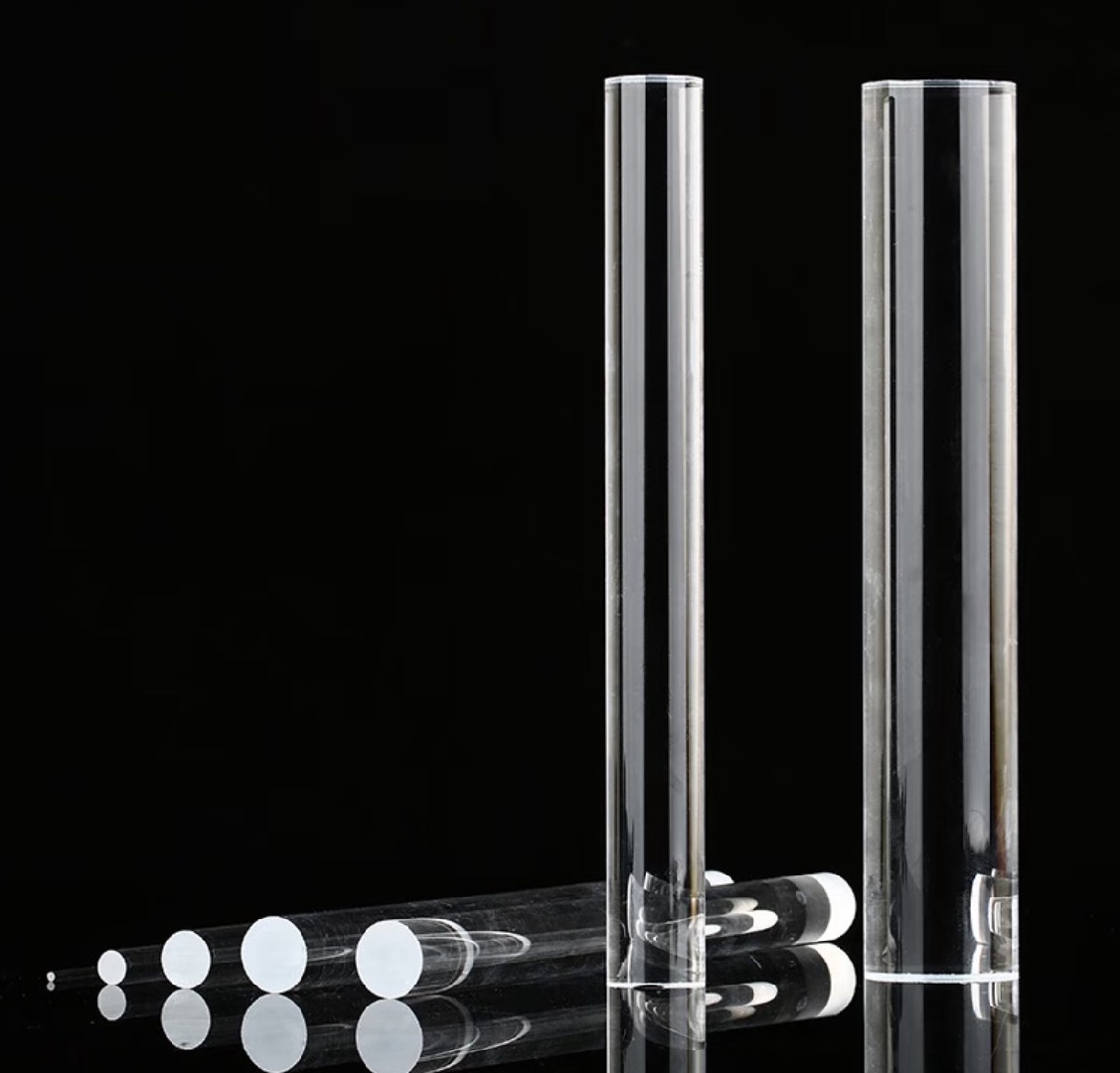
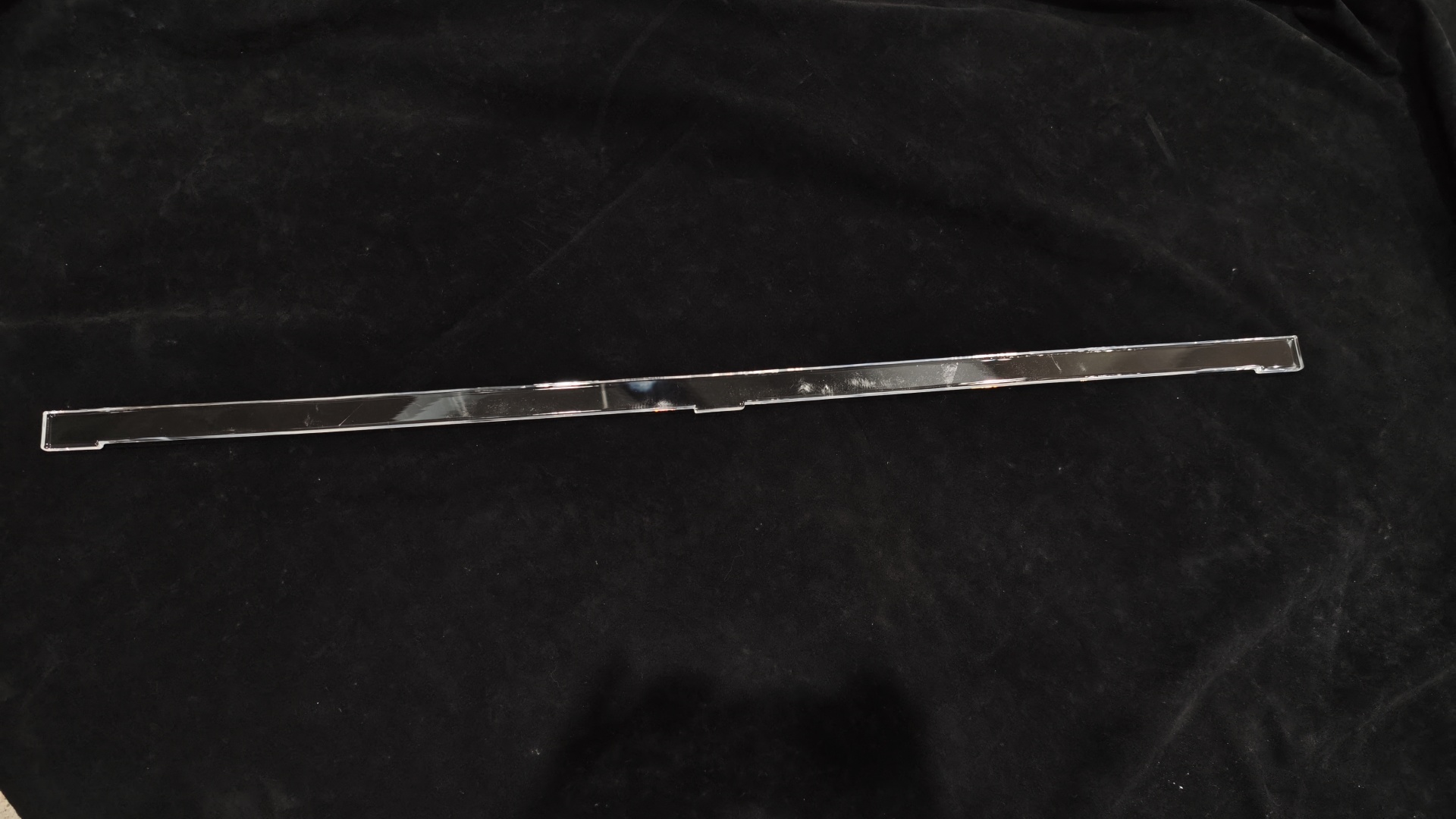
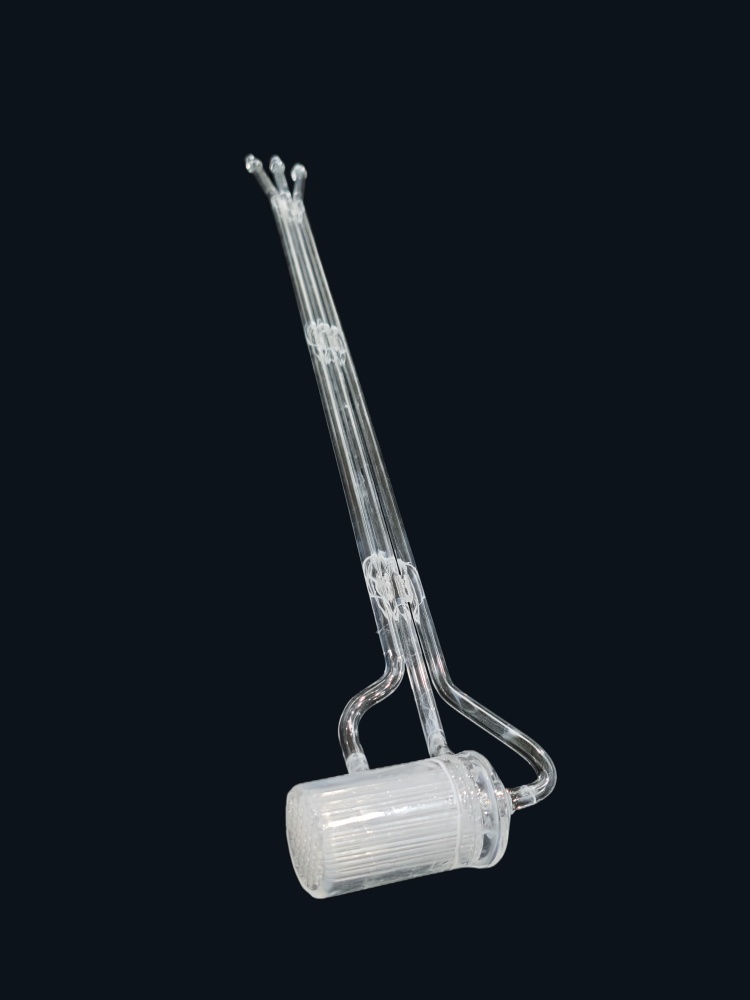
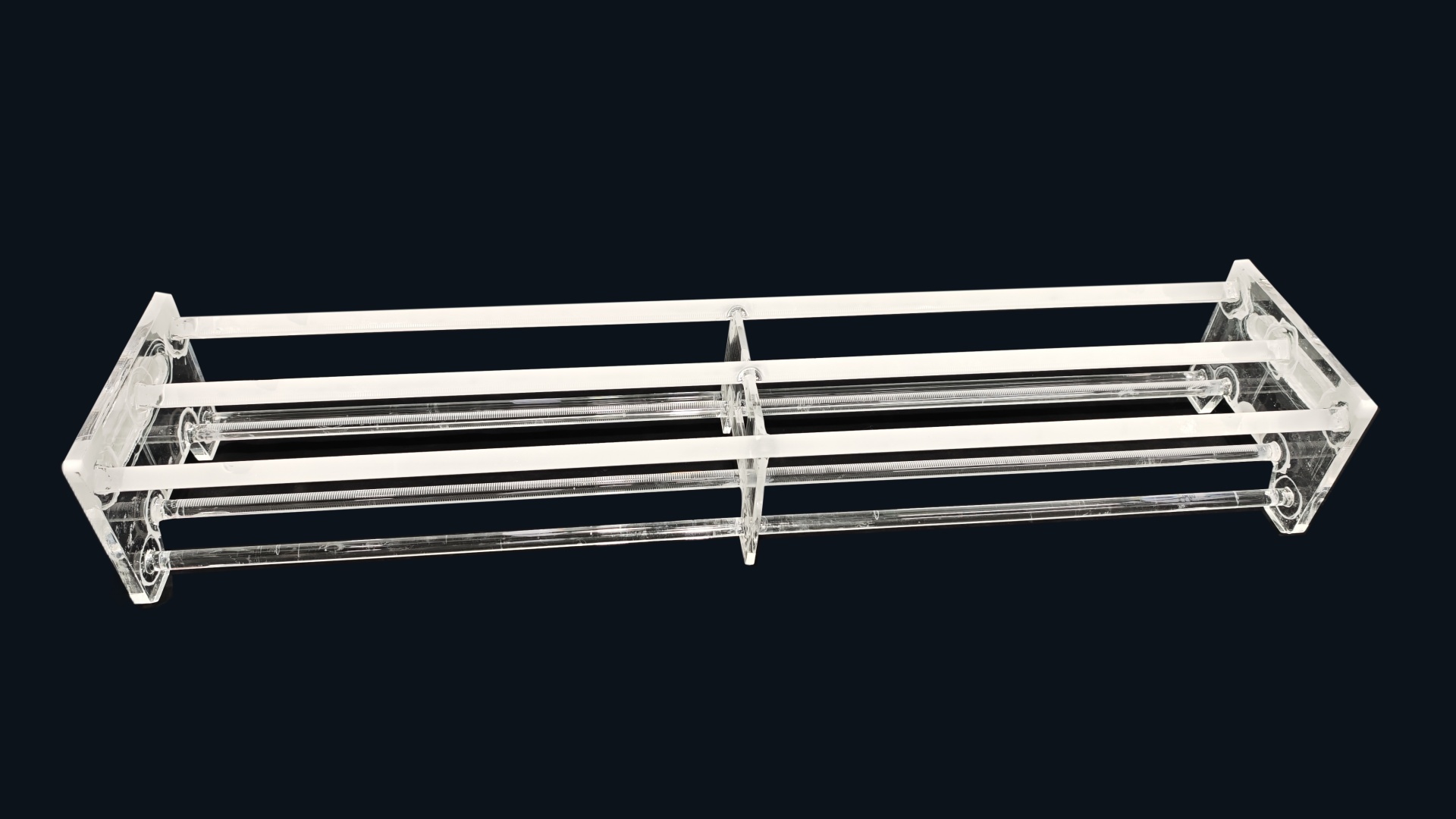
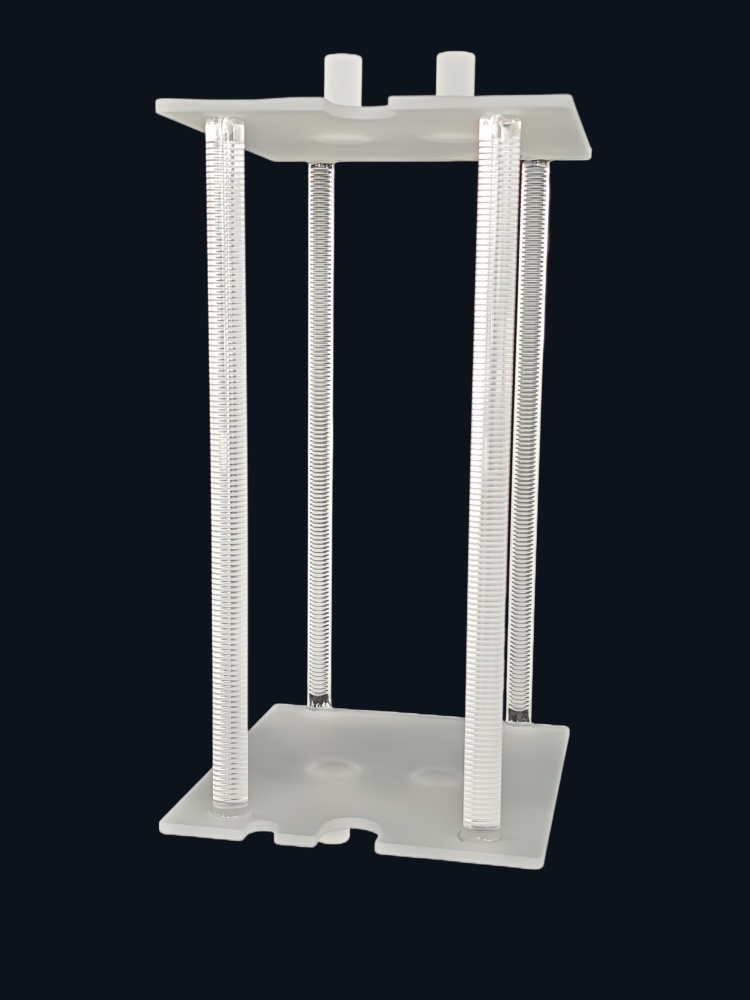
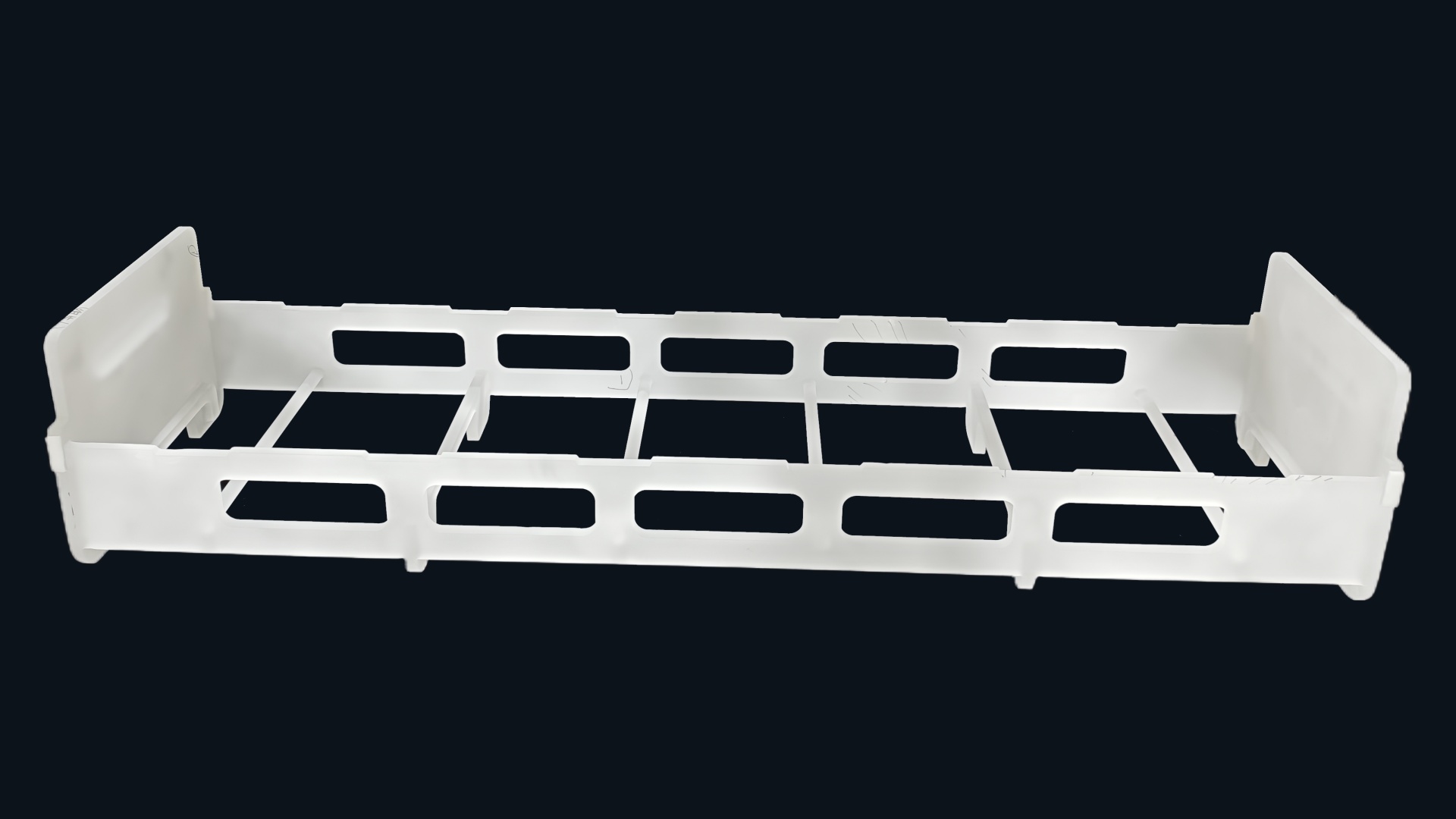
Zhejiang Runyou New Material Technology Co., Ltd. was established in September 2022, headquartered in Wuyi County, Zhejiang Province. It is a high-tech enterprise with high-purity quartz material research and development as its core, integrating high-end quartz products, silicon-based new material research and development, manufacturing, and industrial application. The predecessor of the company, Zhenjiang Runchi New Material Technology Co., Ltd., has been deeply involved in the field of polycrystalline ingot quartz crucibles for more than ten years. In 2022, it strategically transformed and entered the high-purity quartz sand track, focusing on breaking through the photovoltaic single crystal pulling rod quartz
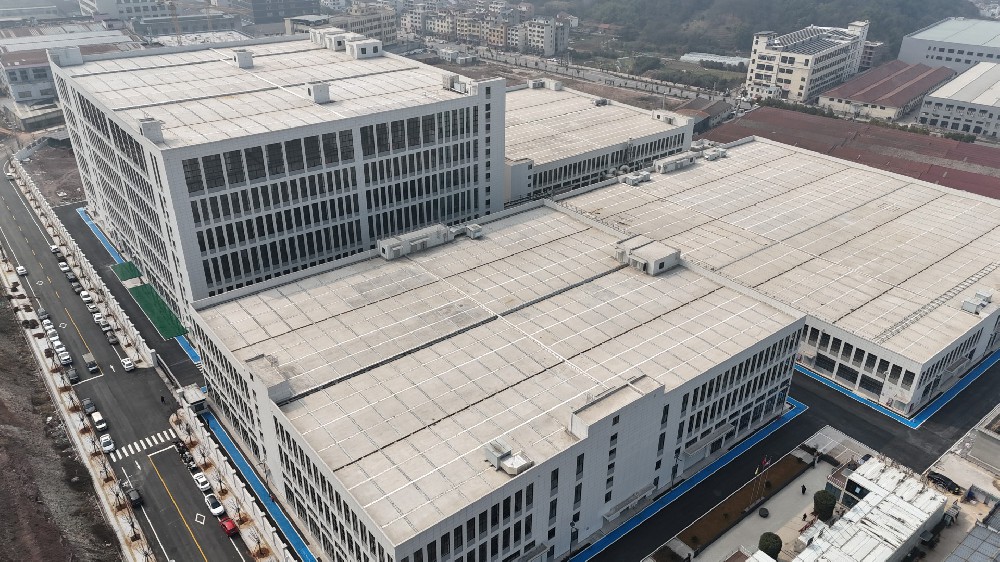
Provide official news of Runyou New Material Technology Co., Ltd., take you to visit Runyou New Material Technology Co., Ltd. and learn about the company's information






Accumulated rich experience, developed unique technology, established a distinct brand image, and continuously improved market position and influence.






Accumulated rich experience, developed unique technology, established a distinct brand image, and continuously improved market position and influence.
2025-07
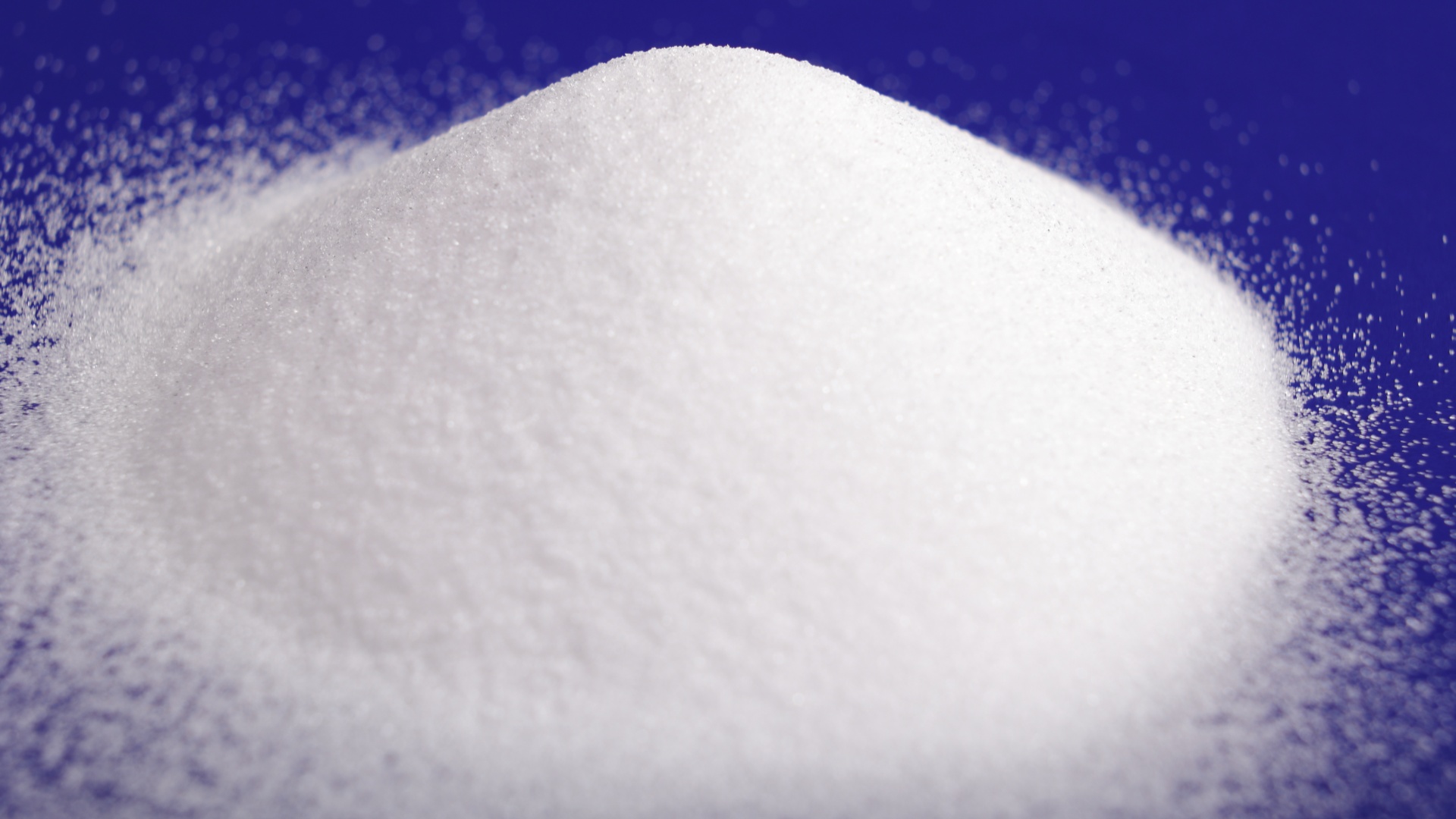
What is high-purity quartz sand
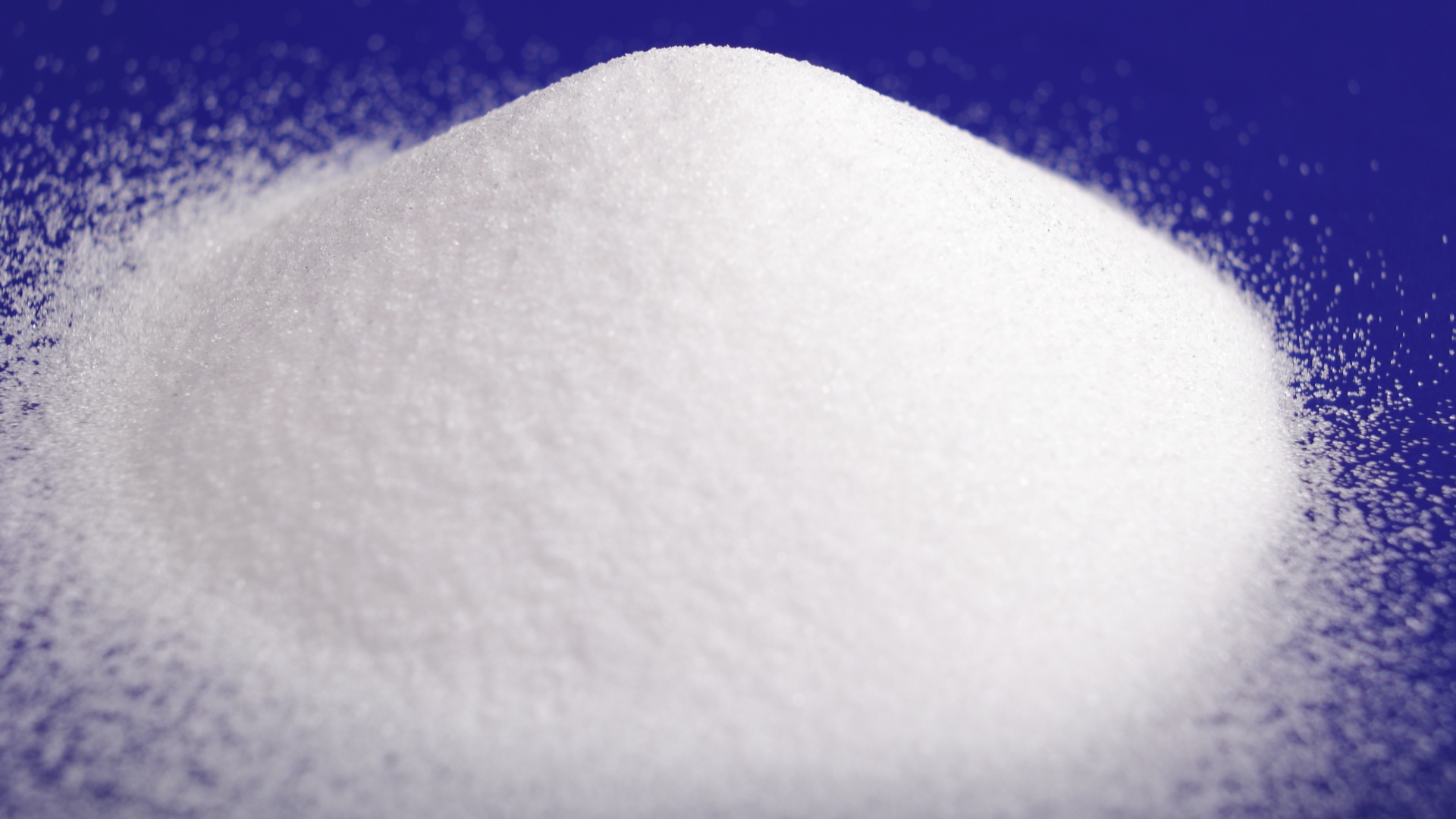
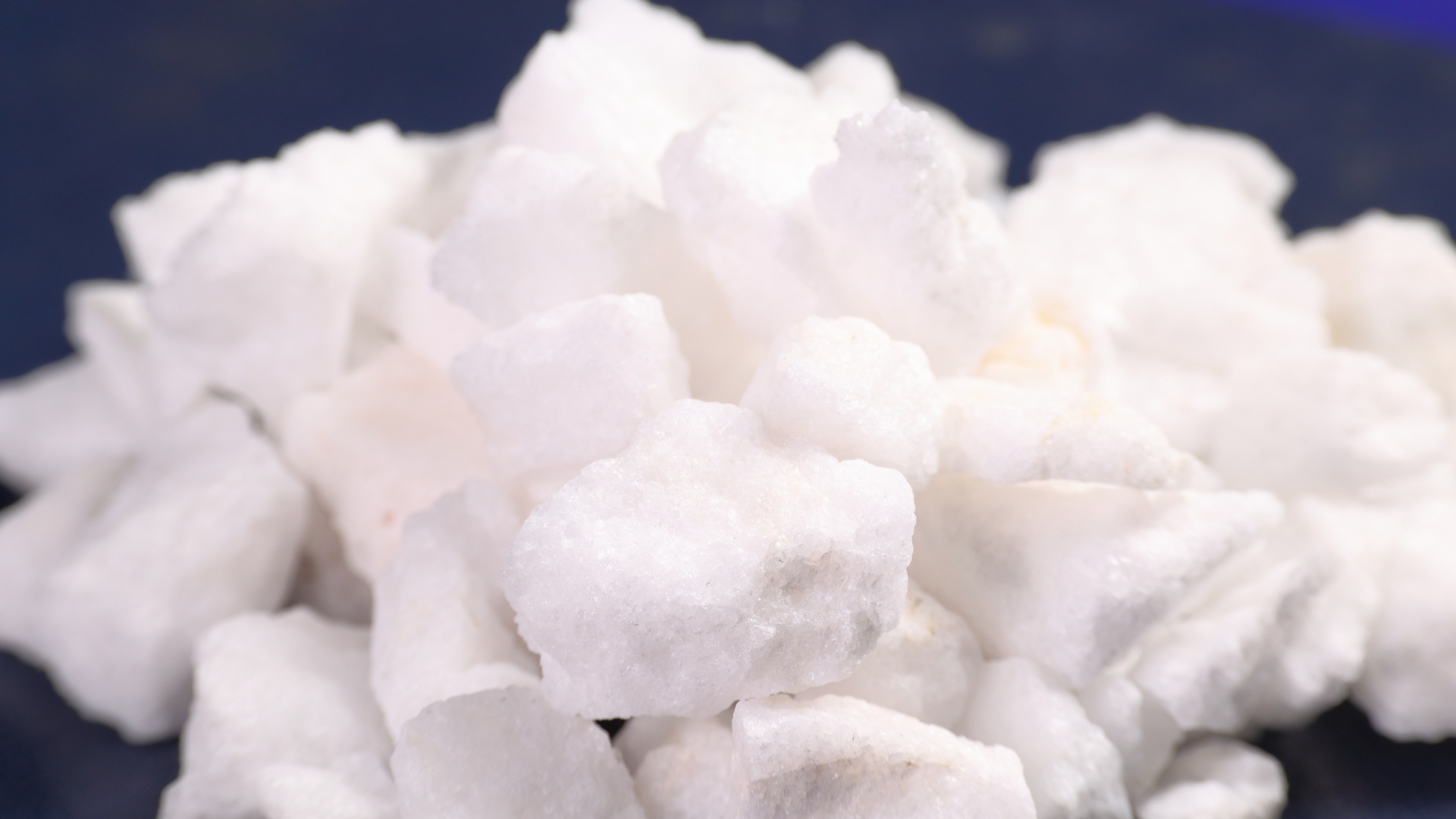
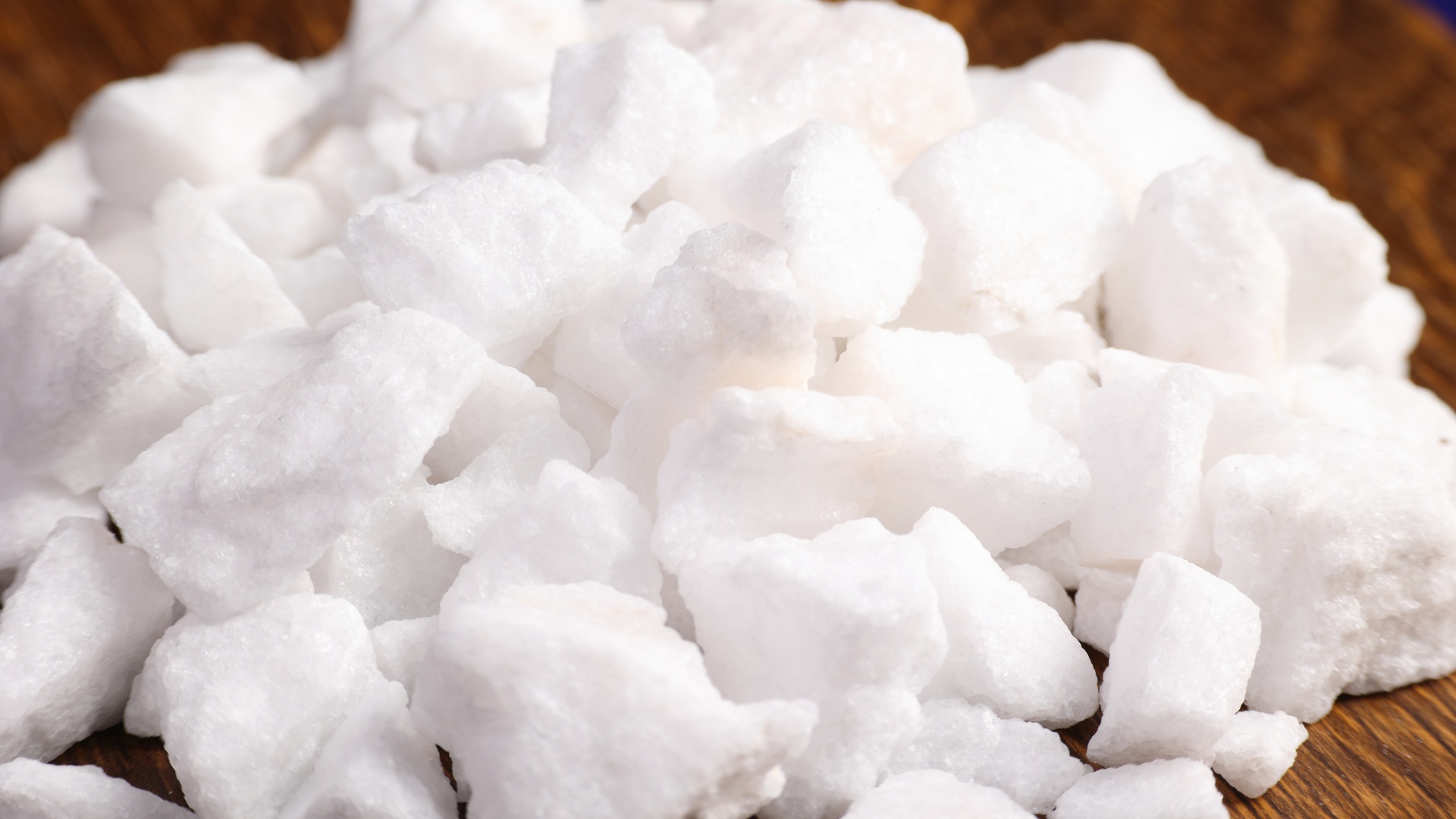
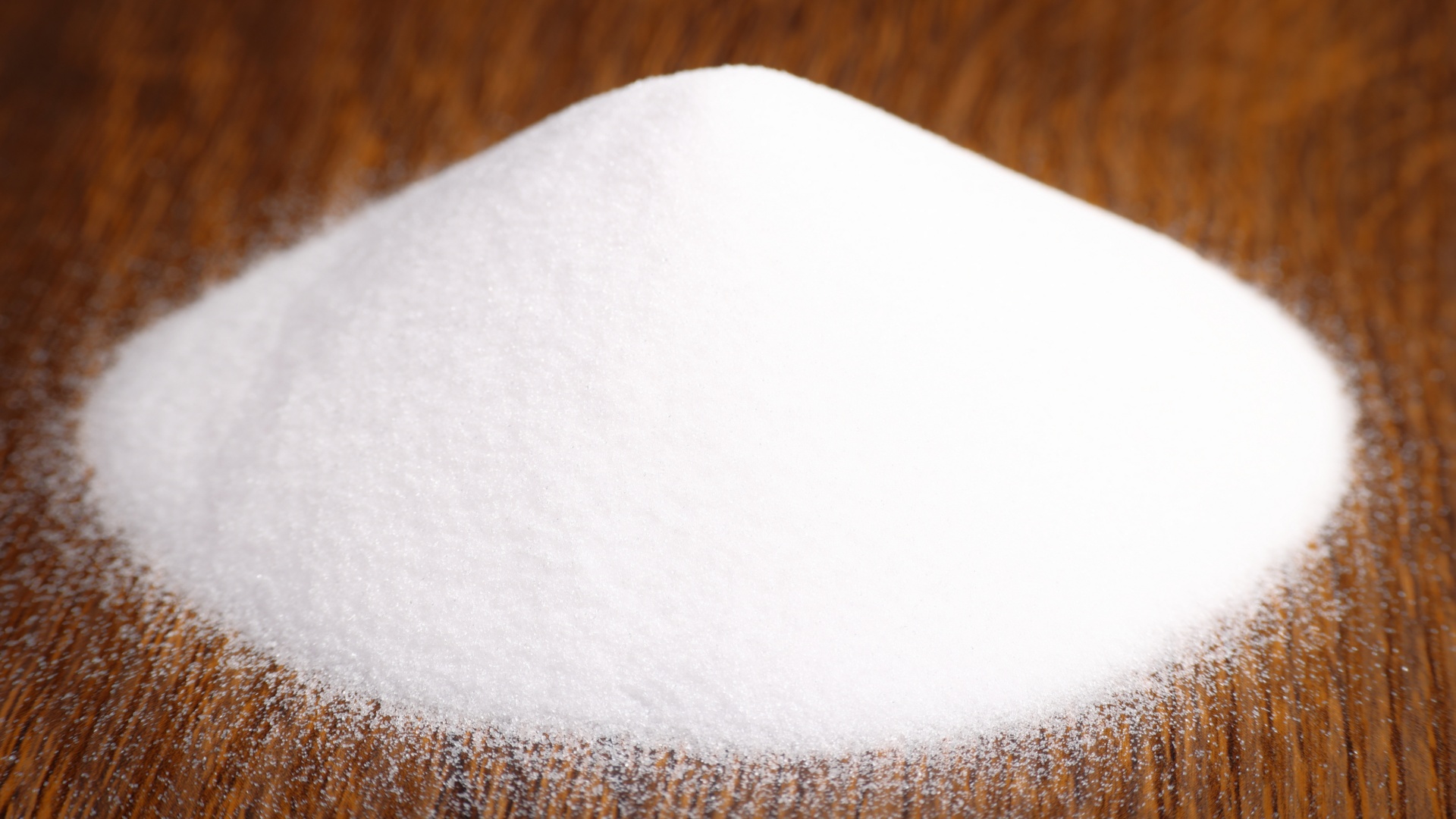
High purity quartz sand refers to quartz sand products with high purity of silicon dioxide (SiO ₂) (usually ≥ 99.99%, i.e. 4N level or above) and low impurity content. It is a key basic material for strategic emerging industries such as semiconductors and photovoltaics.High purity quartz sand is a granular material obtained by purifying natural quartz ore through complex processes, and its core characteristics include:1. Low impurities: Impurity elements are controlled at the ppm (parts per million) level to ensure chemical stability and electrical insulation. 2. Excellent physical properties: It has high temperature resistance, corrosion resistance, low thermal expansion coefficient, and high transparency, suitable for applications in environments with large differences.


2025-07
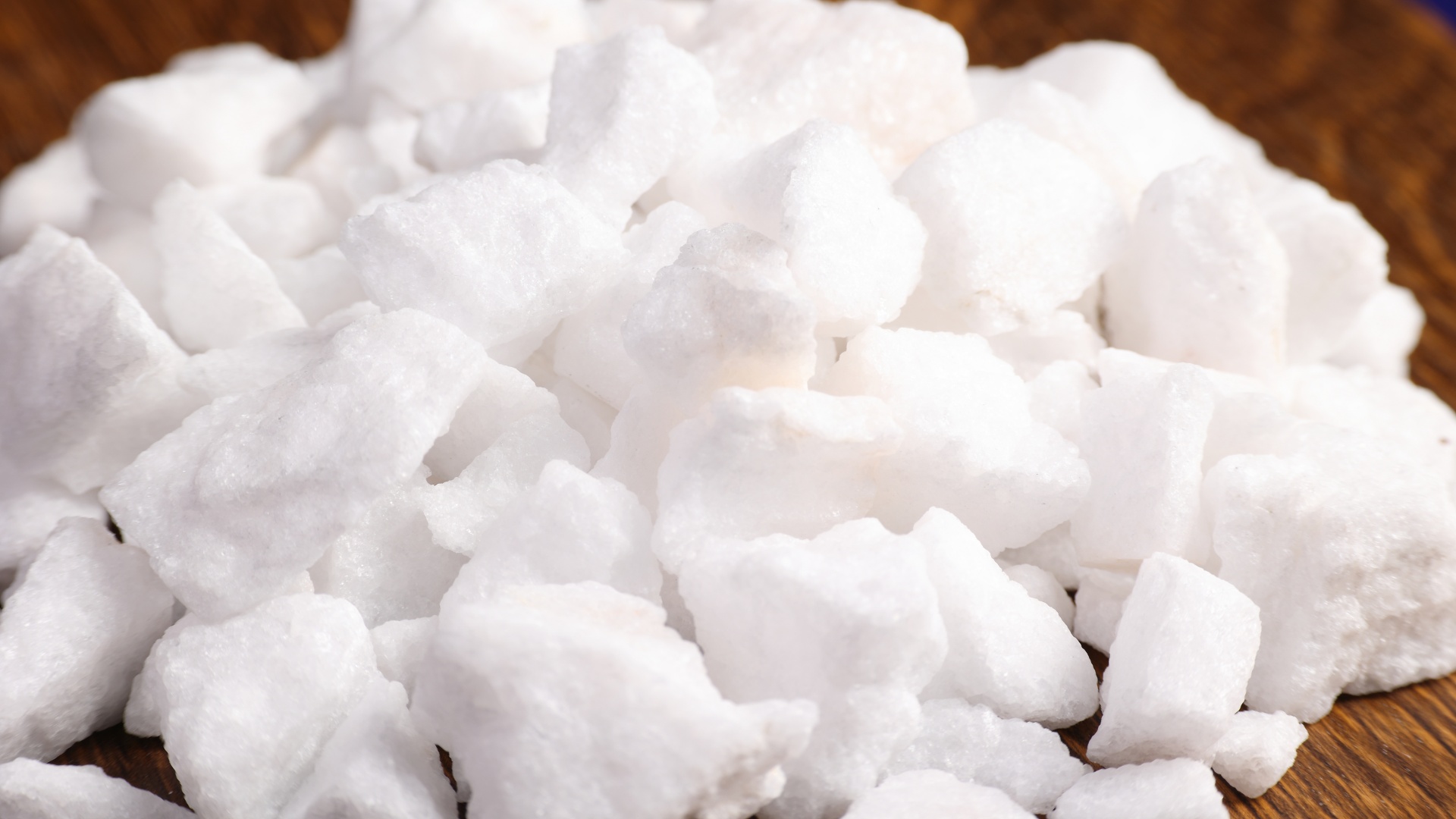
What are the uses of high-purity quartz sand
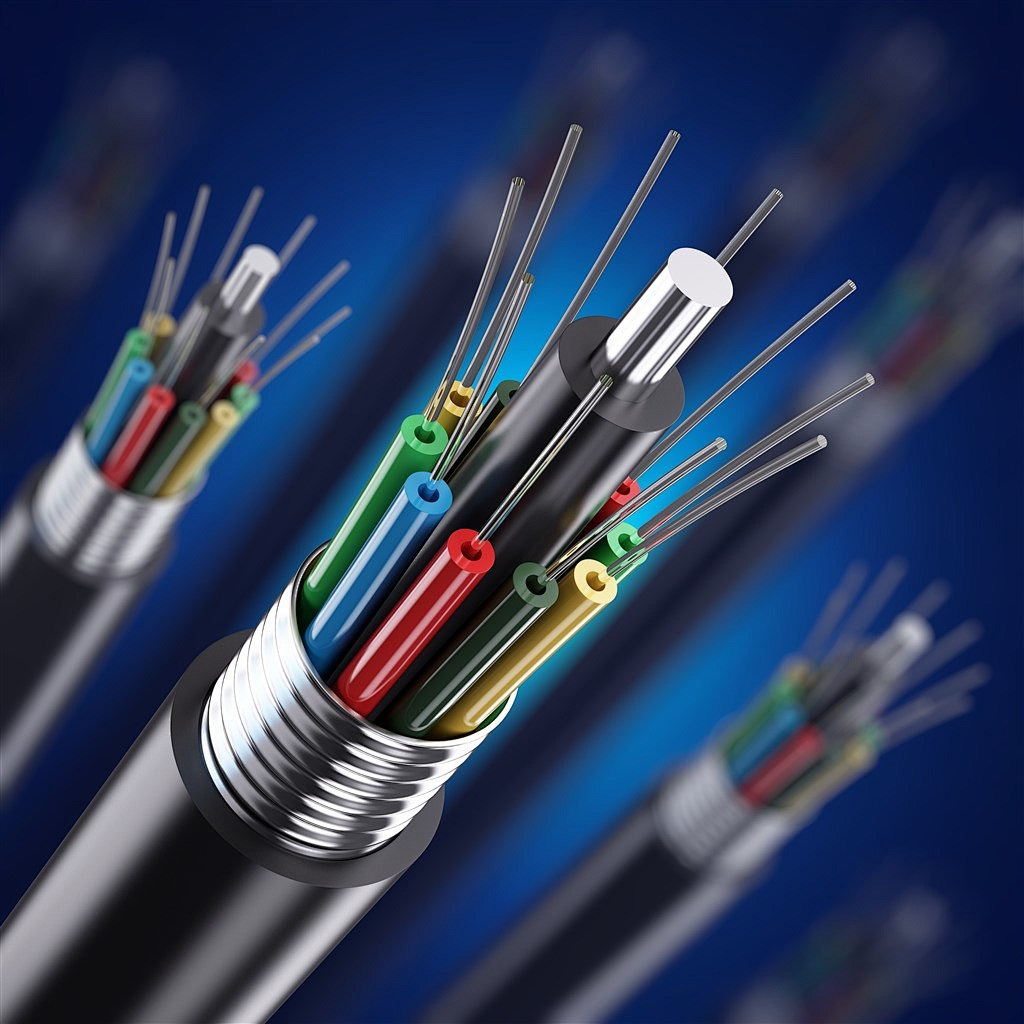
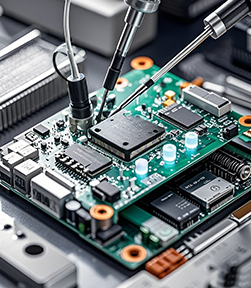
High purity quartz sand is a core raw material for high-tech industries such as semiconductors, photovoltaics, and fiber optic communications, and is also used in aerospace, chemical, military, and other fields. 1. Semiconductors and Integrated CircuitsHigh purity quartz sand is used to manufacture quartz crucibles as a growth vessel for single crystal silicon rods. Its high purity (impurity content<10ppm) and high temperature resistance (tolerance to 1100 ℃~1200 ℃) can avoid silicon crystal contamination, directly affecting chip yield and performance. 2. photovoltaic industryAs a key material in the production of photovoltaic silicon wafers, quartz crucibles made of high-purity quartz sand are used to extract polycrystalline silicon. Their thermal stability can withstand the high temperature environment of silicon melt and are compatible with the chemical properties of silicon materials, reducing pollution risks. 3. Optical fiber communicationThe fiber core is made of high-purity quartz sand, and its low optical loss rate (as low as 0.2dB/km) and transparency ensure efficient transmission of optical signals, making it widely used in 5G communication and medical equipment.
2025-07
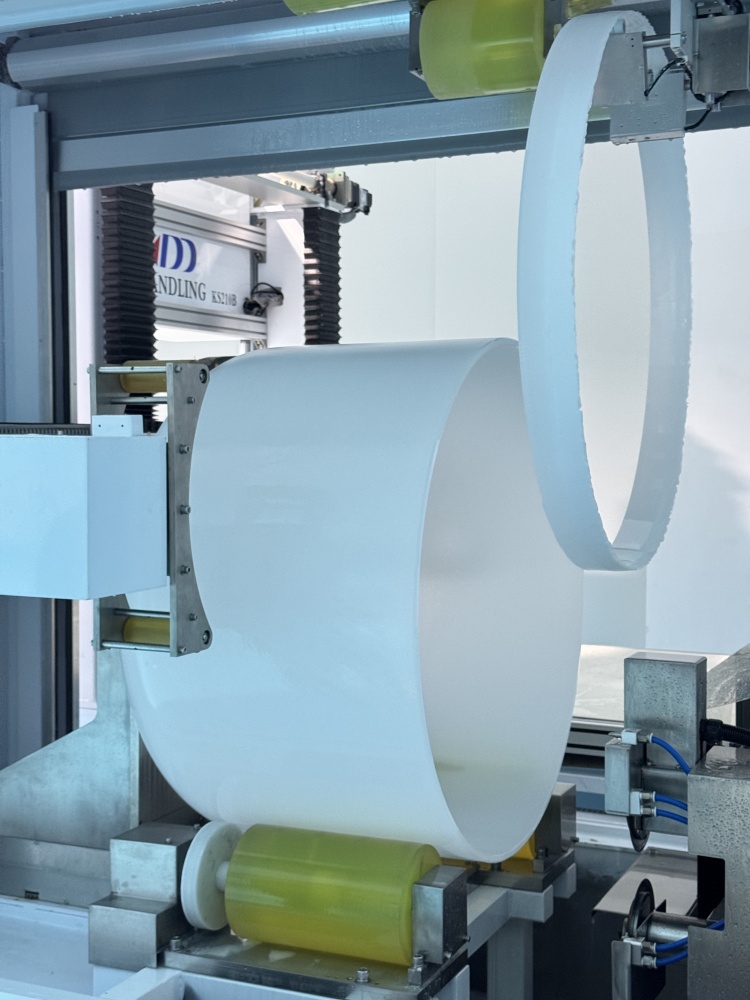
The function of single crystal crucible
Single crystal crucible is a key equipment used for single crystal growth, mainly responsible for protecting crystal purity, stabilizing thermal field distribution, and supporting long-term growth.Protecting crystal purity: Tungsten crucibles have strong chemical inertness in vacuum or inert atmosphere, avoiding reactions with the melt, reducing impurity doping, and ensuring the intrinsic characteristics of the crystal.Stable thermal field distribution: Tungsten crucibles reduce melt convection and temperature fluctuations, lower the risk of crystal defects, and enhance growth controllability by uniformly conducting heat and maintaining a stable temperature gradient.Support long-term growth: Tungsten crucibles have excellent thermal fatigue resistance and are not easily deformed or broken during continuous growth, ensuring the symmetry and integrity of crystal shape.
2025-07
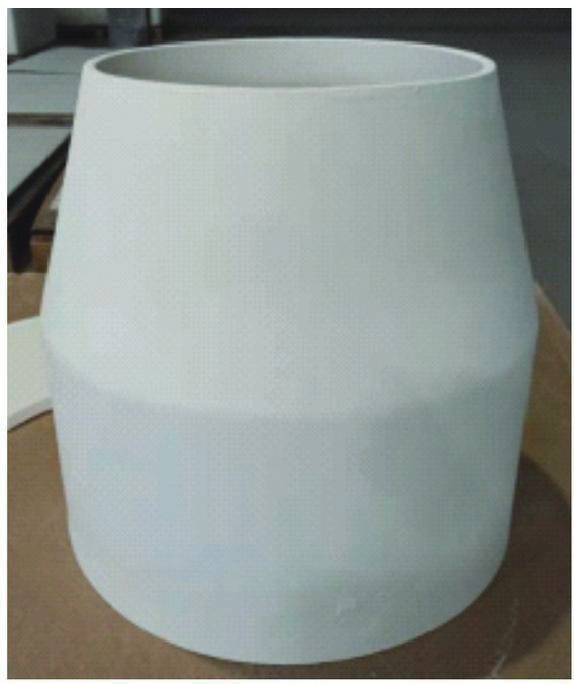
Advantages and disadvantages of high-purity quartz ceramic parts
advantage1. High temperature resistance and thermal stability: fused silica ceramics can still remain stable at high temperatures, with excellent thermal shock resistance, and can withstand multiple cold and hot cycles without cracking.2. Corrosion resistance: Strong chemical stability, acid and alkali corrosion resistance, suitable for environments in contact with various chemical solvents.3. High mechanical strength: Quartz composition endows it with high hardness and scratch resistance, which can withstand cutting tools, high-temperature disinfection and other operations.4. Dimensional accuracy and stability: The product has high dimensional accuracy and is not easily deformed at high temperatures, making it suitable for precision machining.disadvantage1. Poor thermal conductivity: Quartz ceramics have low thermal conductivity and weak heat dissipation ability in high temperature environments, which may affect the efficiency of some processes.2. High processing difficulty: The raw materials need to be strictly screened and purified, and cracking or deformation problems are prone to occur during the molding and processing processes. 3. High cost: The scarcity of raw materials and complex processing lead to higher prices for finished products than ordinary ceramics.
2025-07
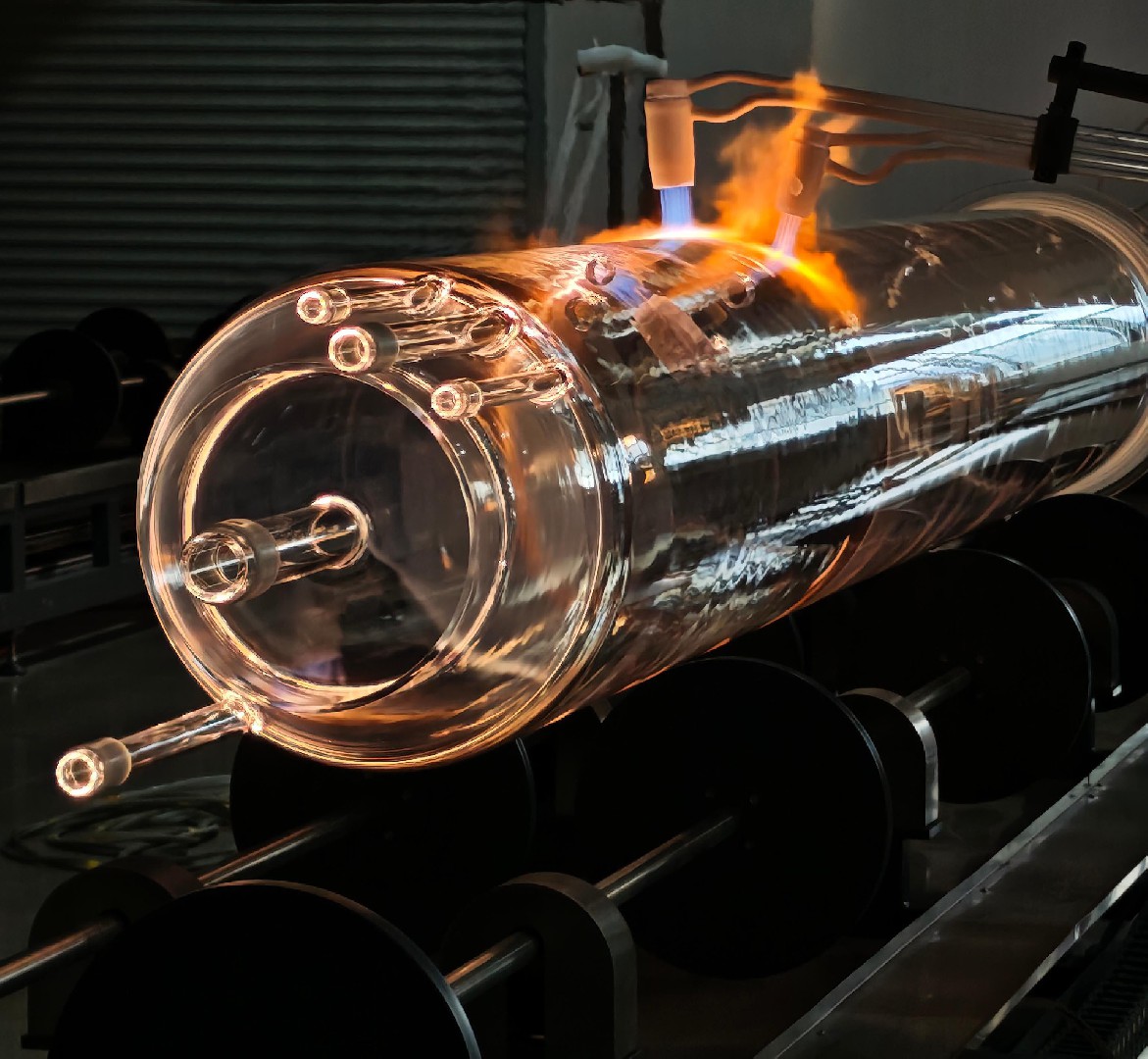
What is the material of high-purity quartz components
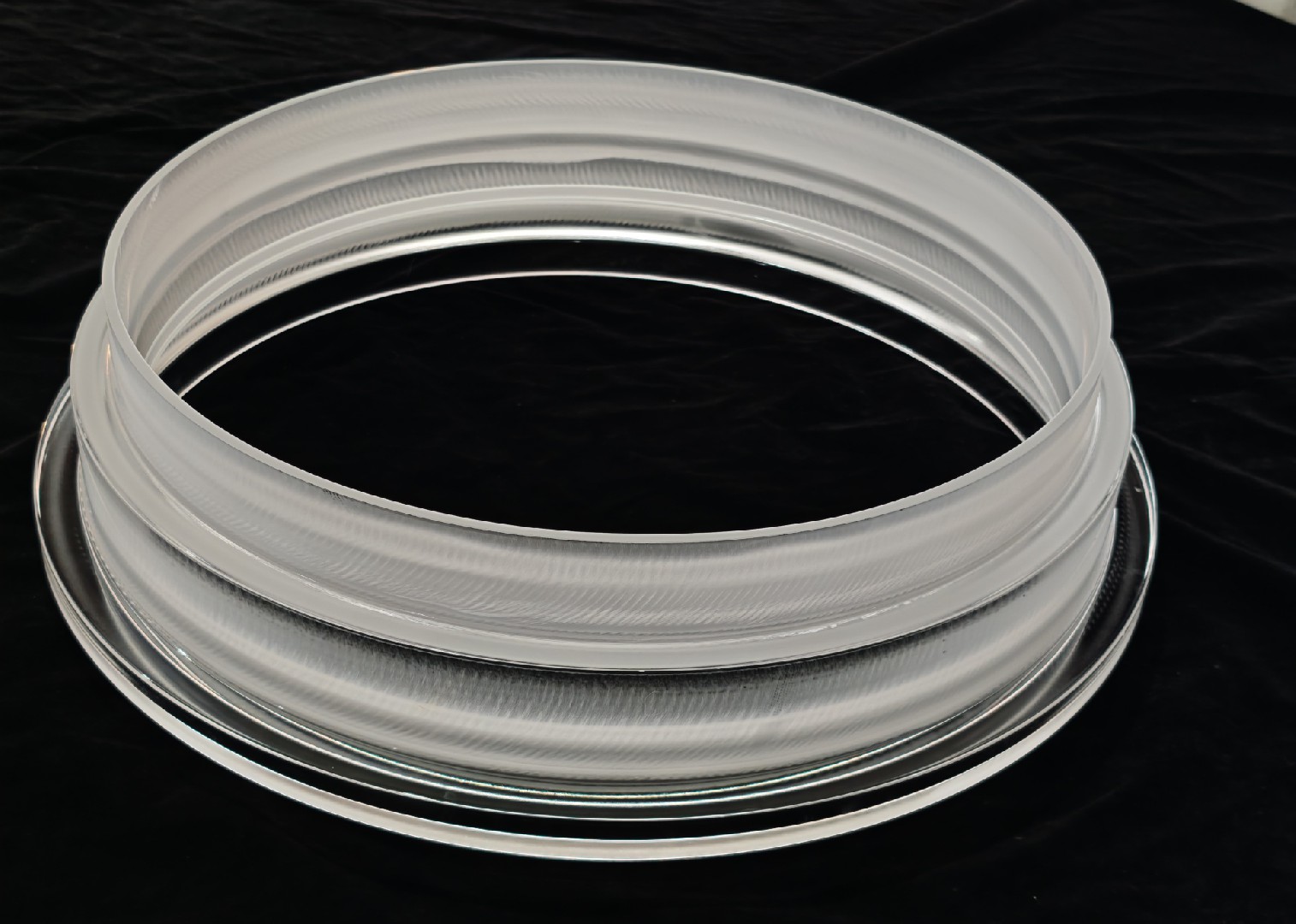
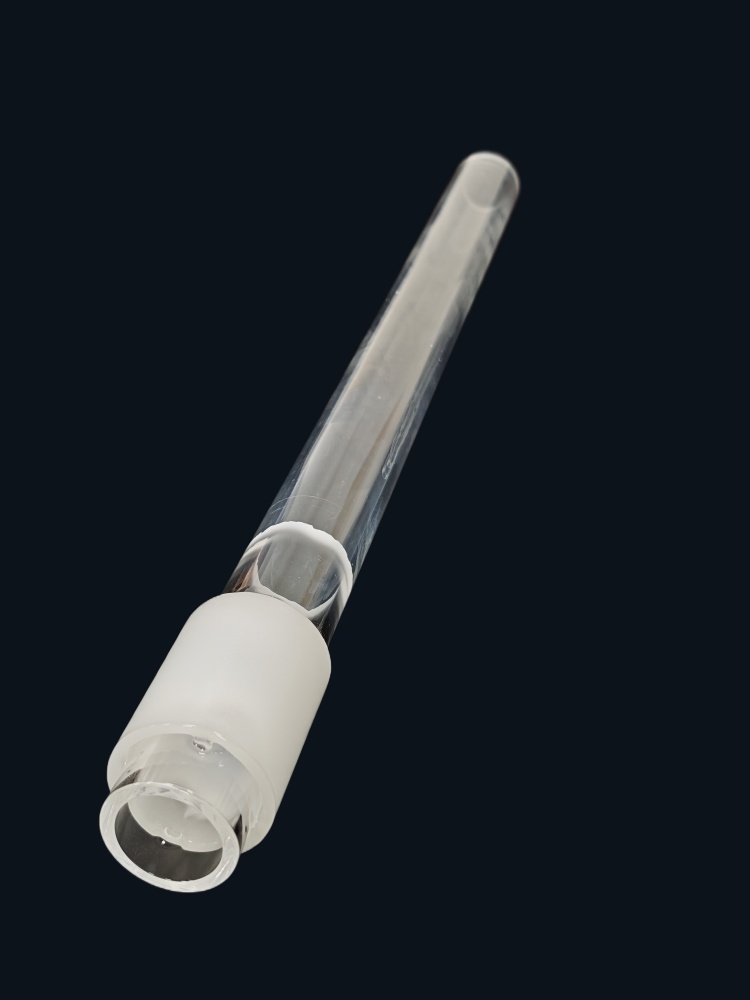
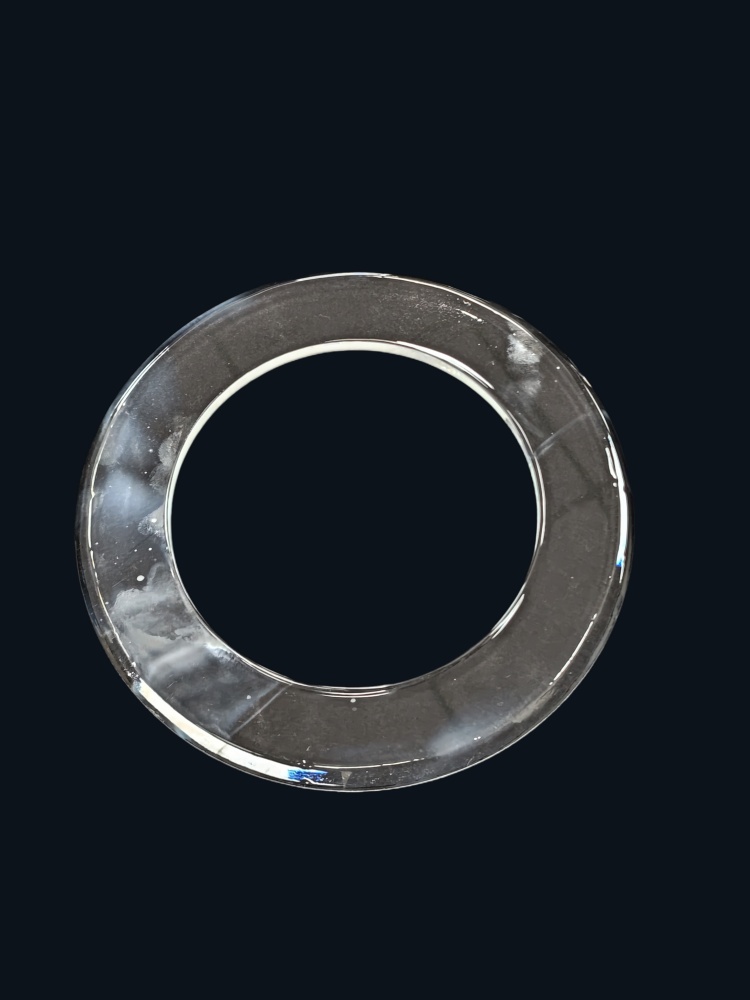
High purity quartz components are special glass products made from high-purity quartz sand through high-temperature melting and other processes. The main material is silicon dioxide (SiO ₂). Its purity is usually above 99.99%, and can reach up to 99.999% (5N level), belonging to high-purity silicon-based materials.Raw material characteristics: The raw materials for high-purity quartz components must meet strict impurity control standards, such as aluminum (Al), iron (Fe), and other impurities with a content of less than 5ppm. The raw material ore is mostly granite pegmatite type or vein quartz ore, which needs to be purified to remove impurities (such as using microwave ultrasonic synergistic impurity removal technology).Application areas: Mainly used in high-end fields such as semiconductors, fiber optic communication, aerospace, etc., some products have been applied in the manufacturing of photovoltaic monocrystalline silicon crucibles.
2025-07
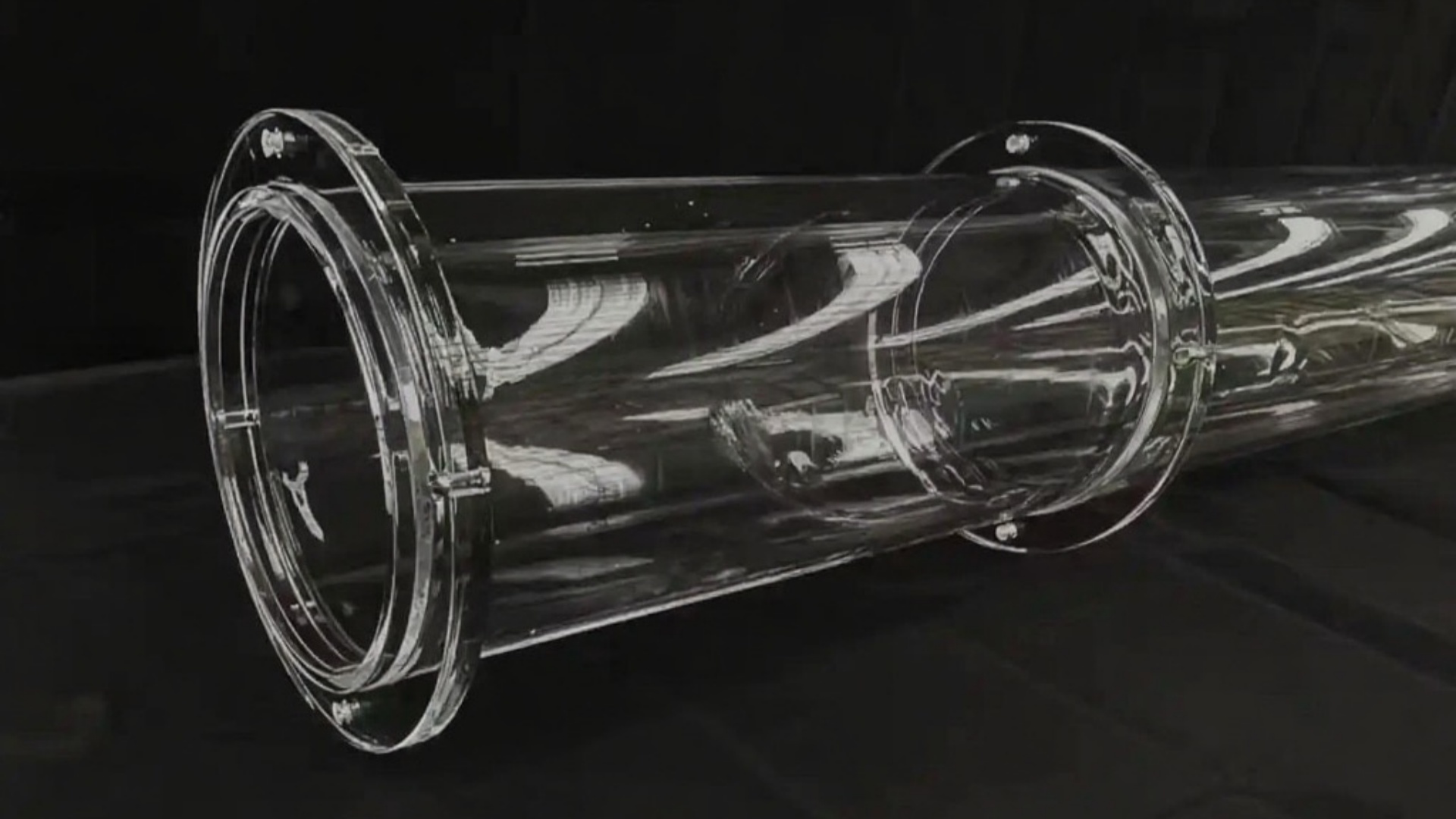
The manufacturing process of high-purity quartz components
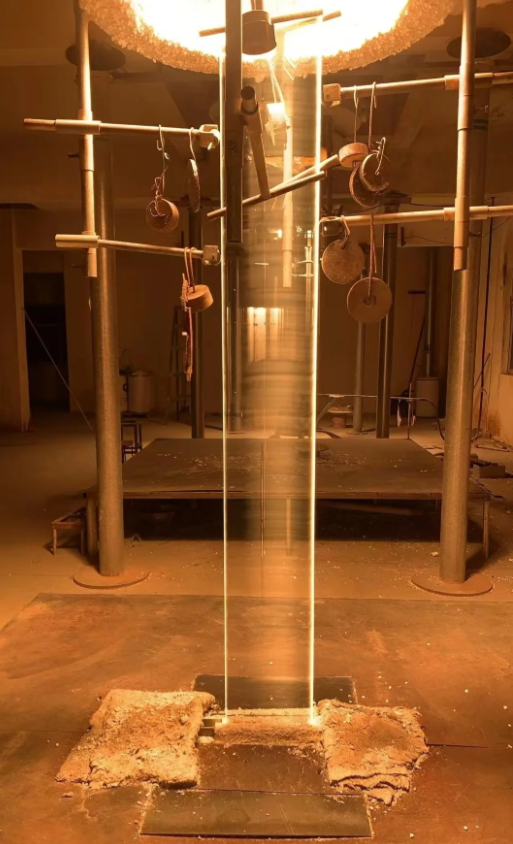
The production process of high-purity quartz components mainly includes core steps such as raw material pretreatment, deep purification, post-treatment, and quality control. The specific process is as follows:Raw material pretreatment: Raw materials need to go through processes such as crushing, grading, and scrubbing. For example, using a cone crusher to crush quartzite to a particle size of 0.5-5mm, precise grading through a hydraulic cyclone, and using a photoelectric sorting machine to remove discolored particles.Physical purification: Remove external impurities through methods such as water washing, magnetic separation, flotation, etc. For example, using acid-base combined cleaning (dilute hydrochloric acid with pH=2+surfactant) combined with ultrasonic assisted impurity removal, dynamically adjusting the scrubbing machine speed (120-300rpm) to enhance the cleaning effect.Chemical purification: processes such as acid leaching and chlorination roasting are used to remove internal impurities. For example, hydrochloric acid pretreatment can reduce the calcium and magnesium content, and high-temperature calcination can cause cracks in quartz crystals, making it easier for acid leaching to clean impurities in inclusions. Some processes require further purification of surface impurities by combining microwave radiation or microbial methods.Deep purification: For high-purity requirements, technologies such as electron beam melting and multi-directional static pressure forming are required. At the same time, electronic grade application safety is ensured through radioactive element control.Post treatment: including ultra pure water cleaning, membrane separation technology to intercept particles larger than 50nm, and rapid cooling after hot forming to form an amorphous protective layer. Some processes also require the use of laser-induced breakdown spectroscopy for online detection of impurity elements.